A weekly newsletter where I share ideas from about nurturing learning and curiosity with technology.
-
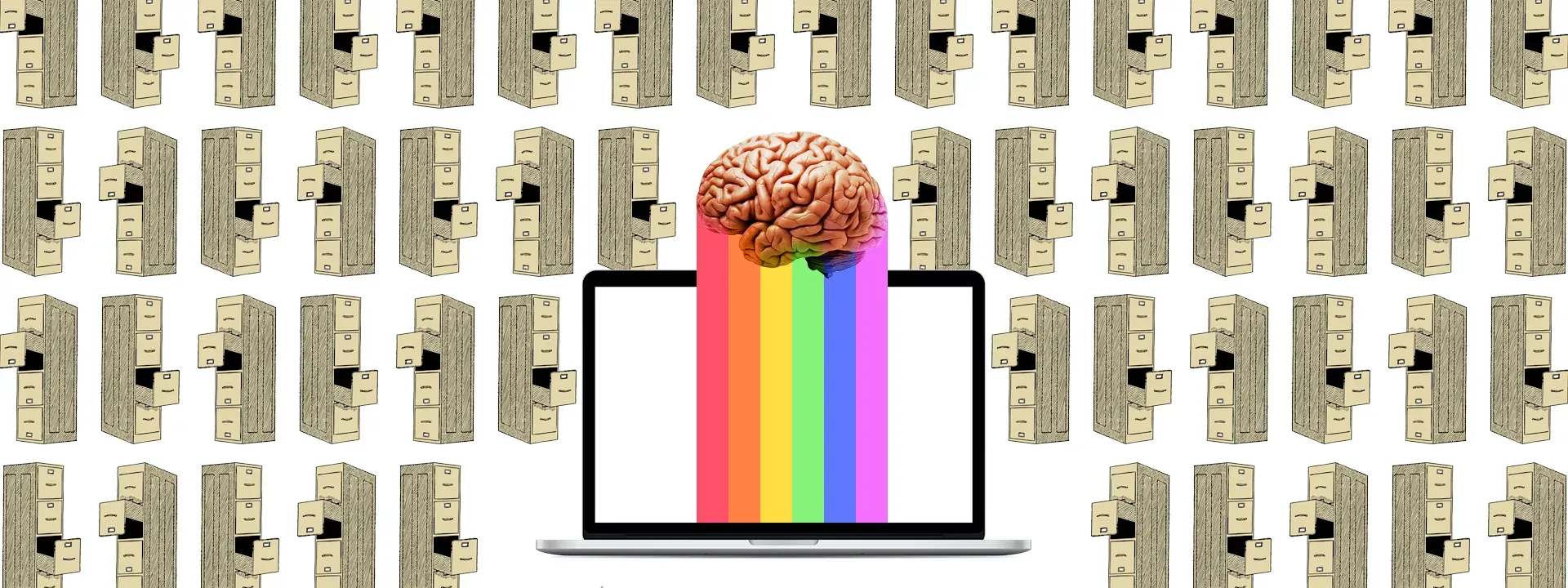
Computers are still merely tiny file cabinets
Computers were originally built to facilitate file storage and file access. The former is about finding the right folder and putting files in there, the latter is about remembering which folder the files are in and pulling them out. This is no different than a file cabinet, except the file cabinet no longer exists outside…
-

The right thing to build
A new project looms. Questions arise in the mind of creator, “Should I begin building or is it a pointless endeavor?” The self-critic kicks in alongside the big dreams and visions of a better future, flaring up volcanic levels of dissonance in the mind. To avoid the burn, some friends and family are consulted. “What…
-

A post-it a day, keeps the mediocrity away
Every time that you put an idea down on a post-it, you prove that you are on your way to becoming a designer. This incredible discovery is called design thinkolism. 100 post-its means you’re a designer. Every post-it after that counts towards special statuses such as Great designer, Mega designer, Ultra designer, Cosmic designer, and…
-
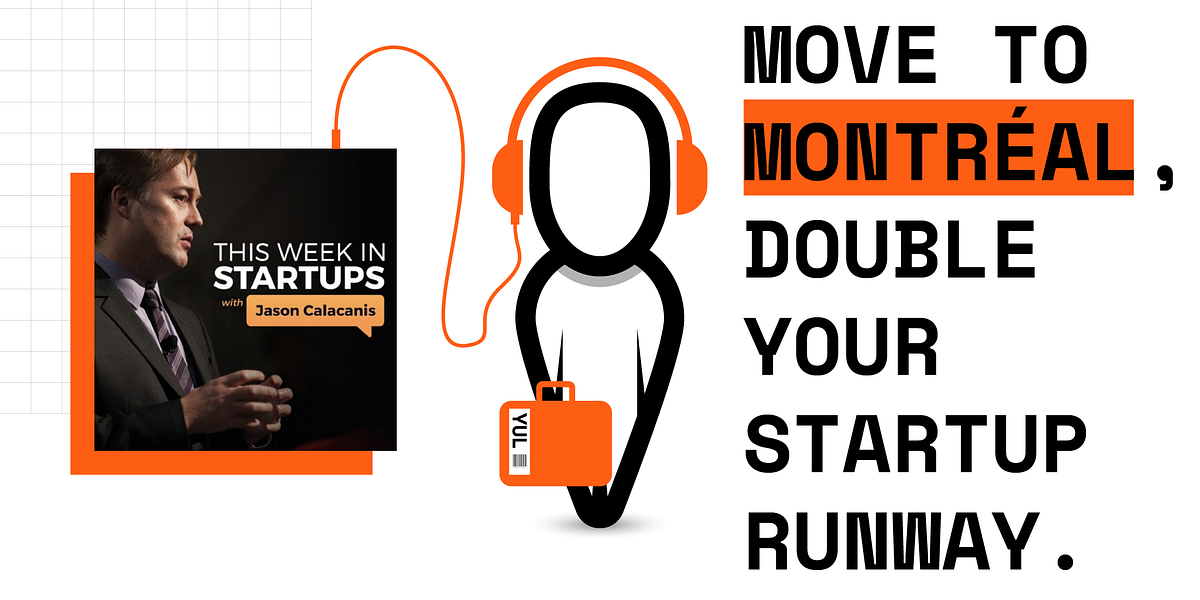
Extend your startup runway by moving to Montreal
David Bennahum raised $3.2M for his startup Ready. That was enough for 18 months of runway in its home city, New York, but David moved to Montreal with his whole family and turned those 18 months of runway into 40 months. “We found Montreal to be the most undervalued startup ecosystem in North America” — David Bennahum…
-
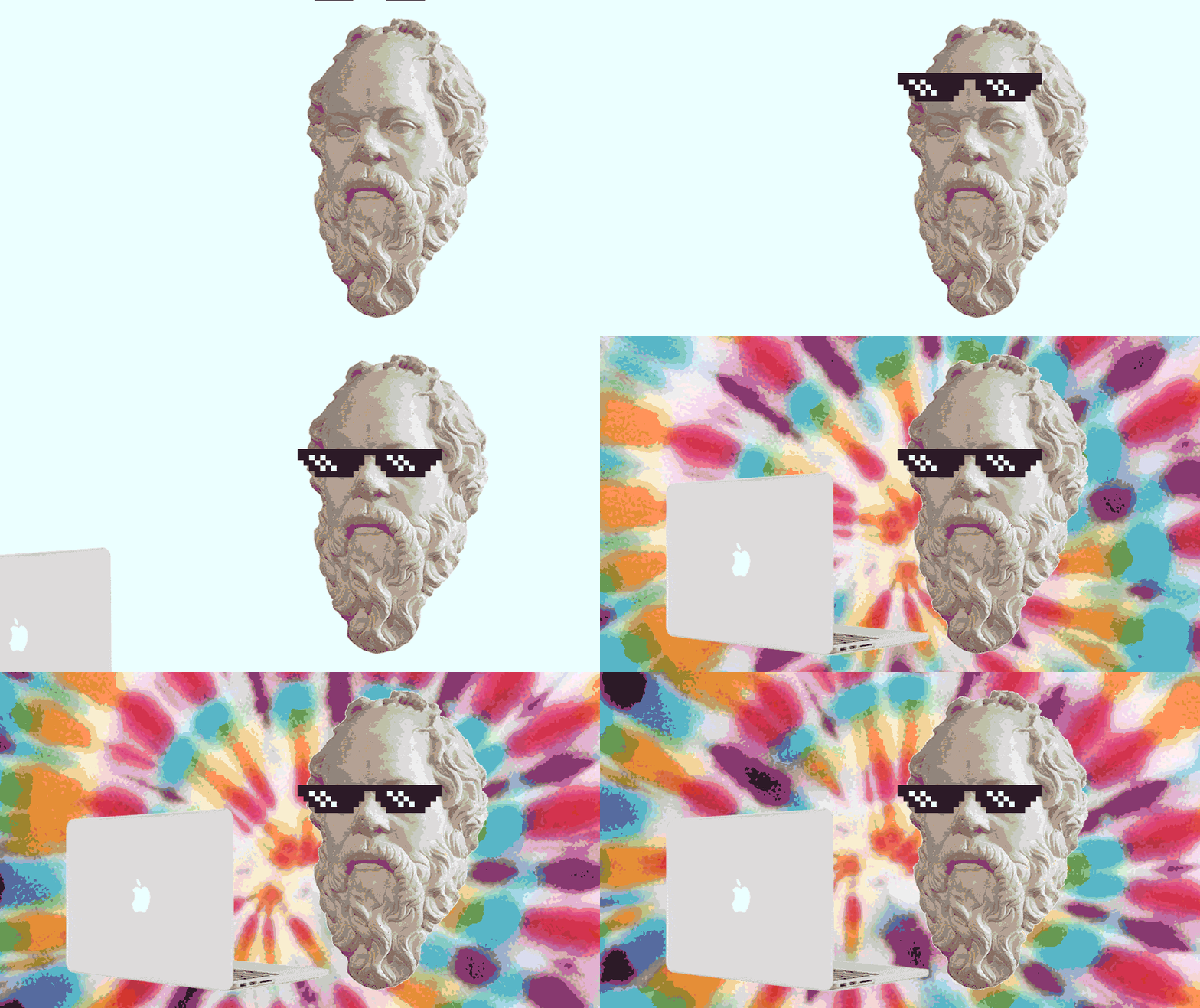
Rise of the technophilosopher
Our world is developing new technologies that are pushing the boundaries of morality and social norms, and we may see a resurgence of the humanities. Breakthrough technologies are bringing to light the need for deepening our understanding of philosophy. To cope with this, companies will designate it to a new job title, the technophilosopher. The…
-
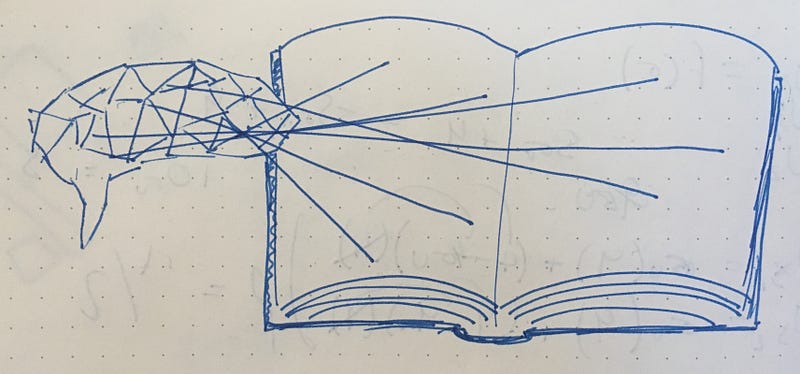
On modern creativity and cross-pollination
The current state of people attempting to become creative and productive is continuously reading more and more books on each respective topic. The problem with these texts is that the authors are typically much more well-read on a wide gamut of ideas, but only share the final learnings with the reader. Why do the authors…
-
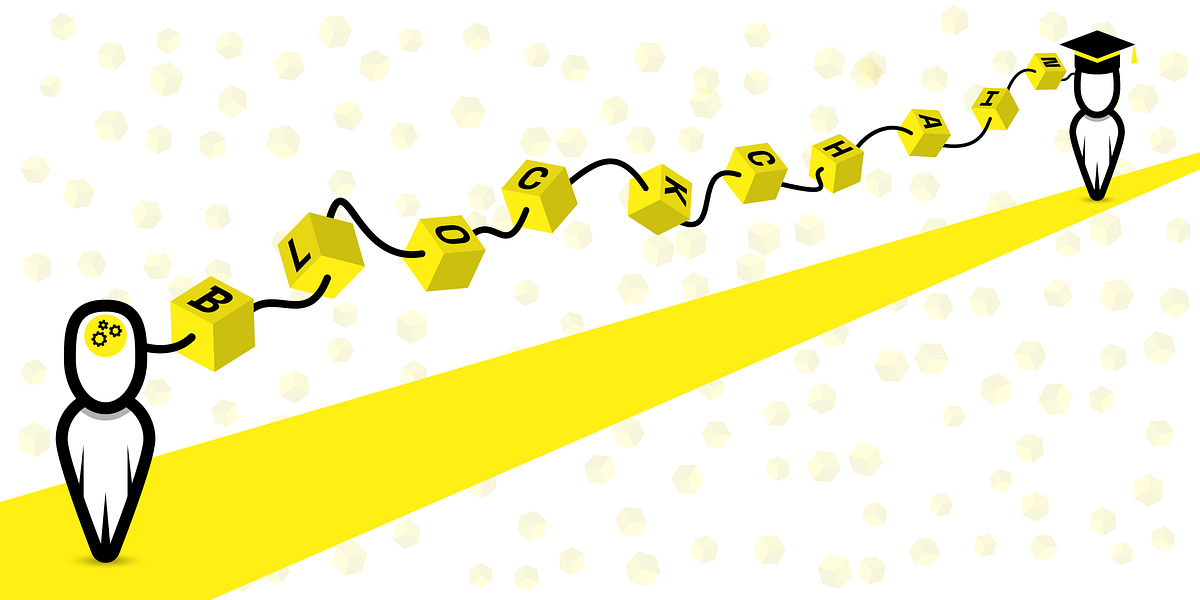
In the future, your degree won’t be from your university, but from your friend
Disclaimer: Neither District 3 nor myself endorse or hold shares, coins or tokens in any of the companies and blockchains discussed in this article. The blockchain could allow any individual to issue proof that another person can perform a skill. This can then be traced to see whether or not that person got hired for…
-
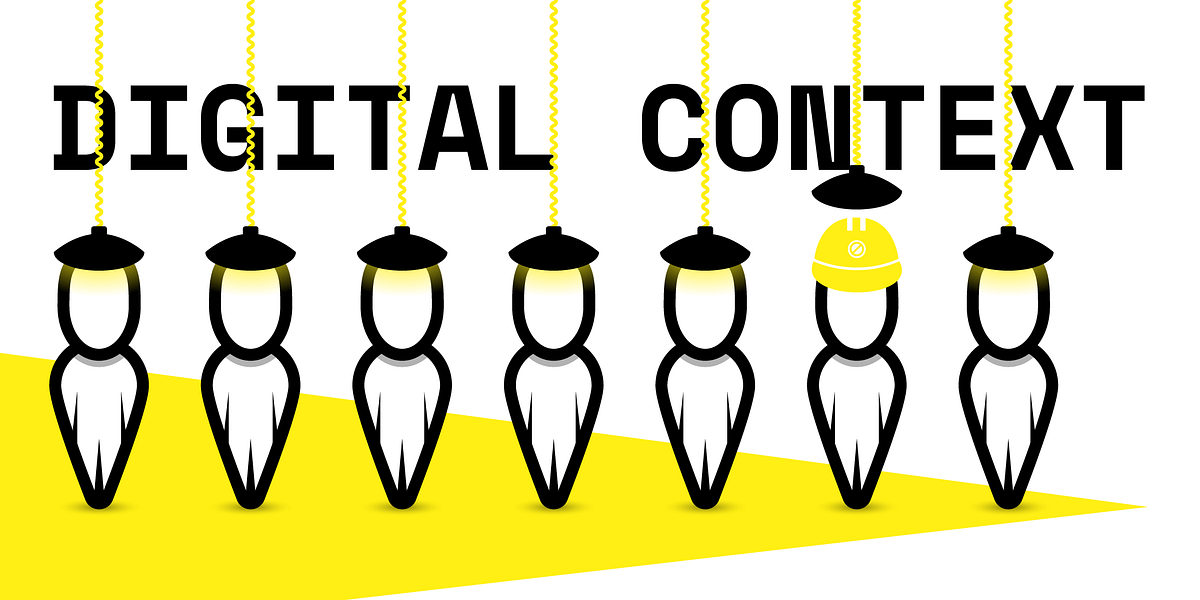
Learning and nuance in a digital context
When technology came to the workplace, we asked ourselves “How do we increase productivity with digital tools?” When technology came to schools, we asked ourselves “How do we increase learning with digital tools?” When technology came to governments, we asked ourselves “How do we increase control with digital tools?” When technology came to our personal…
-
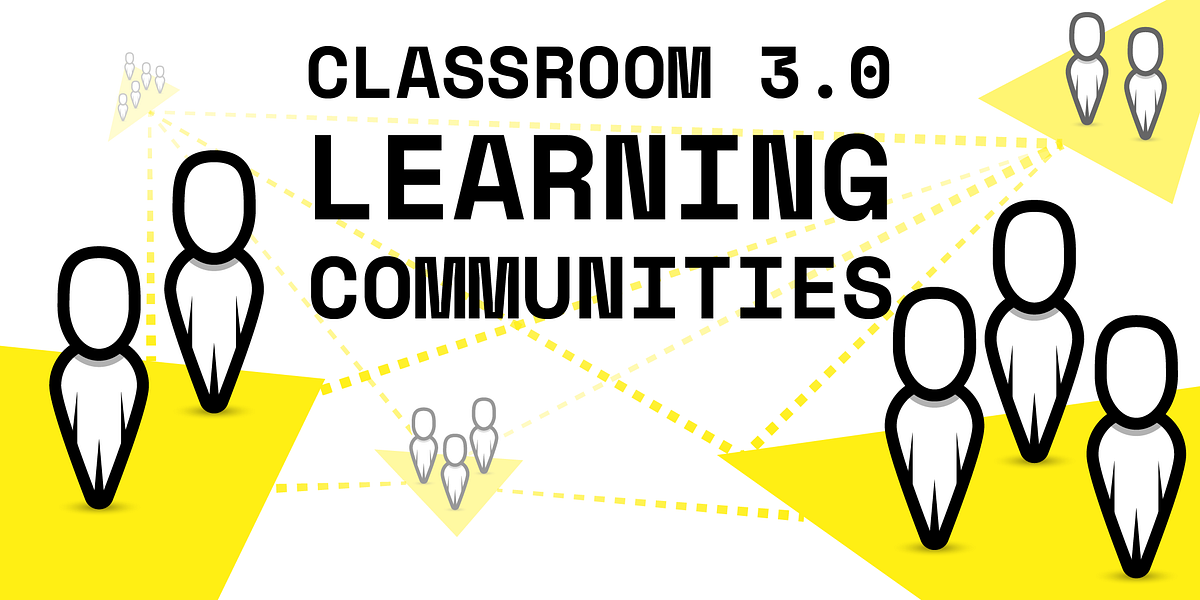
Classroom 3.0 is not online lectures, it’s decentralized blended learning communities
MOOCs (Massive Open Online Courses) like Udacity or Coursera have liberated lectures from the confines of the lecture hall, but that alone isn’t enough to revolutionize education. Think of online lectures as Classroom 2.0: it was the dawn of the internet, every individual had access to information, and as a result Classroom 2.0 was built…
-
Empower Learning Through Playing with Open Data
Data analysis is used effectively in businesses to help them learn about their past mistakes and make better future decisions, yet this powerful reflection tool is severely under-utilized in learning experiences. This isn’t the first case of technology being better applied in an industry than in education, but it’s more pertinent than it’s ever been.…