Hello everyone,
Before diving into the three reads this week, I am happy to share that my TEDx Talk on AI, education, and critical thinking went live last Thursday and you can now watch it! I can’t believe it’s already gone over 50,000 views in just 4 days 🤯.
If you’ve subscribed to my newsletter because of the video, reply to this email and tell me why the future of learning is so important to you!
This week’s themes are about the impact of addictive tech, how we could use software to facilitate group learning, and letting students decide for themselves how to use AI.
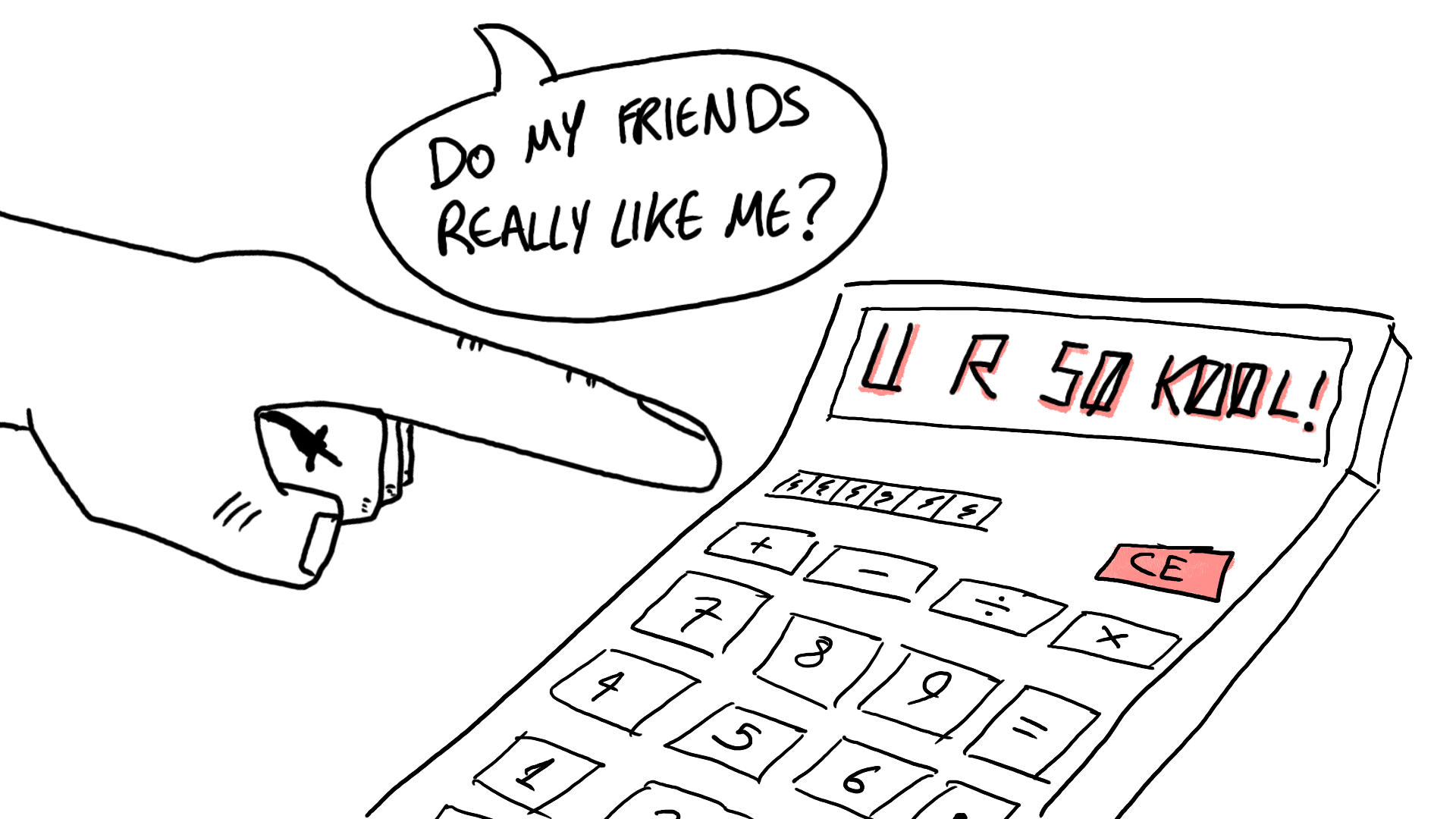
Calculators are not addictive
There’s a tranche of the population that loves saying “the calculator didn’t destroy math” as an analogy to suppress criticism of GenAI. I’d be more willing to listen to them if, like AI, calculators were also therapists and expressed every output with the confidence of an internet influencer sponsored by Athletic Greens. But calculators are not addictive, they are as dull as hammers. They are also as useful as hammers in one specific context and, critically, not potentially useful in every conceivable context. This is why we should avoid creating Addictive Intelligence, as Pat Pataranutaporn puts it:
Our research has shown that those who perceive or desire an AI to have caring motives will use language that elicits precisely this behavior. This creates an echo chamber of affection that threatens to be extremely addictive. Why engage in the give and take of being with another person when we can simply take?
[…] the difficulty of building technical systems pales in comparison to the challenge of nurturing healthy human interactions.
That last sentence… Chef’s kiss 🤌😘.
Software to support learning together
I loved Michael Pershan’s take on the importance of whole group learning and how individual practice software in maths can be used to enhance it:
I’m probing for where things break down. I want to leave with an understanding of what the class knows and what they need to work on next.
This is dynamic. Depending on how students answer, I’ll change the questions they’re served. Look at me—I’m the algorithm.
So, where’s the tech in all this? He’s using a tool called Deltamath to create more math problems easily, which further enables his style of dynamic teaching. The tool’s role here is far from being revolutionary, but tools don’t have to be revolutionary to be effective in a specific use case. It’s why I took a similar approach in my experiment using AI for group reflection rather than personalizing individual reflection.
Let the students decide
I am comfortable helping students who ask about GenAI “tips and tricks” while believing that in many contexts it’s likely to rot their brains. Why? Because this contradictory state of belief should be normal in the early days of any new invention. Rather than be prescriptive with students, I prefer to give them both sides. Ethan Mollick’s post Against “Brain Damage” does a good job of exploring this dichotomy. He concludes on a tone more positive than I would have, but I appreciated his piece for a key realization: Universities should share this information with students, and let them decide how they feel about it. Currently they either ban AI by telling students it is BAD for them, or encouraging its use in all contexts by telling students it’s GOOD for them. I’d love to meet anyone at a university that is co-learning with students so the next generation learns the ultimate skill in a world of chaos: making good decisions through healthy information consumption practices.
That’s all for now!
Let me know if I sparked any new ideas. Sharing is one of the best ways to solidify reflections and learnings :).
Cheers,
Charlie